The United States electric grid has long been praised as a vast, synchronised machine that powers our homes and industries. However, the reality is more complex. Instead of a single, interconnected grid, the U.S. has three distinct grids in the West, East, and Texas, with minimal points of connection. This fragmented structure, coupled with a patchwork of operators with competing interests, presents significant challenges to our efforts to combat climate change. Transitioning to cleaner energy sources like wind and solar would require a massive expansion of the grid, particularly in the form of new high-voltage transmission lines to transport clean energy across the country.
This blog delves into the hurdles the fragmented grid poses and highlights the urgent need for a coordinated and sustainable approach.

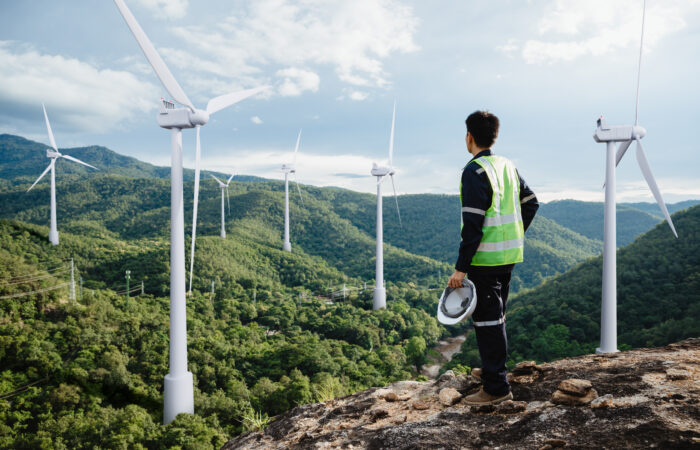
With mounting concerns about climate change, tapping into the vast potential of wind and solar energy is a promising solution. Studies have shown that these renewable sources are among the most cost-effective ways to reduce greenhouse gas emissions. However, the best locations for harnessing wind and solar power often lie far from densely populated areas and the existing grid. To use these remote resources, we would require thousands of miles of new high-voltage transmission lines spanning multiple grid regions.
To grasp the scale of the transformation needed, consider the ambitious goal set by the Biden administration for achieving 100 per cent clean electricity generation by 2035. Meeting this target would necessitate more than doubling the existing transmission capacity in a little over a decade. Unfortunately, building this extensive infrastructure has numerous hurdles, ranging from convoluted permitting processes to opposition from local communities.
A significant hindrance to building a more robust and interconnected grid is the need for a centralised entity overseeing its organisation. Unlike other national infrastructure projects, such as the Interstate Highway System, which the federal government supervised, the electric grid evolved over time through the efforts of thousands of independent utilities building smaller-scale grids. A unified authority is necessary to gain consensus on the necessity of long-distance transmission lines and who should bear the costs.
Numerous studies have emphasised the enormous benefits of comprehensive grid upgrades, especially the increased ability to transfer power between regions. Failure to implement these upgrades poses a threat to the environment and compromises the reliability of our electricity supply. As demand rises and extreme weather events become more frequent, power operators struggle to keep the lights on. More capacity for transferring power between regions could mitigate such problems and avoid widespread blackouts during emergencies.
Efforts are underway to address the bottlenecks in grid expansion. The Biden administration has allocated funds for transmission projects. Congress has granted the federal government greater authority to overcome objections from state regulators for certain power lines deemed crucial for the national interest. However, resistance from various stakeholders, including utilities and some lawmakers, remains a significant obstacle.
As the urgent need to combat climate change becomes increasingly evident, upgrading the U.S. electric grid emerges as a critical endeavour. The fragmented structure of the current grid poses challenges that demand a coordinated and forward-looking approach.
Embracing renewable energy sources like wind and solar would reduce emissions and yield economic and environmental benefits. Overcoming hurdles such as permitting processes and local opposition will require collective efforts from policymakers, industry stakeholders, and the public. A reliable, interconnected, and sustainable grid will undoubtedly form the backbone of a cleaner, brighter energy future for the United States.