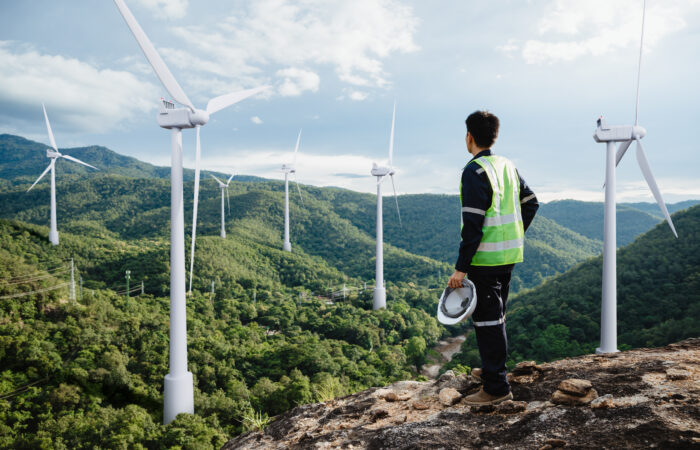
As quoted by Bill Gates in an article, “Climate change is the hardest problem humanity has ever faced, but I believe we have the human ingenuity to solve it. And if you care about climate change,you should care about transmission”.
We are at a turning point in the history of humanity. Our future success and sustainability depend on our ability to embrace a cleaner, more efficient energy revolution. We must unlock the door to a sustainable energy revolution providing clean, affordable energy to power our lives and economy.
This revolution will require us to think differently, innovate, and create new solutions that will enable us to move away from our dependence on fossil fuels and towards renewable energy sources. As a result, we are on the brink of unlocking the door to a new energy future that will ensure a brighter and more secure future for us all.
Renewable energy is a clean, renewable source of energy that has the potential to revolutionise the way we produce and consume energy. Renewable energy sources, like solar, wind, geothermal, and hydroelectric, are abundant, environmentally friendly, and cost-effective. They can provide electricity, heating, and cooling and can be used to power transportation systems, manufacturing processes, and more.
The main advantage of renewable energy is that it does not emit any greenhouse gases, such as carbon dioxide and methane, which contribute to global warming. Renewable energy is also much more reliable than traditional energy sources, as it can be used even when the sun is not shining, or the wind is not blowing. Finally, renewable energy is cost-effective, as it can generate energy at a fraction of the cost of traditional sources.
Renewable energy is typically divided into three categories: solar, wind, and water. Solar energy, or photovoltaics, is produced by converting sunlight into electricity using solar panels. Wind energy, or turbines, is generated by using wind turbines to generate electricity, while water energy, or hydroelectricity, is produced by using water to generate electricity.
Solar energy is the most common form of renewable energy, as it is abundant and can generate electricity in any location with sufficient sunlight. Wind energy is also a popular form of renewable energy, as it can generate electricity in areas with high winds. Water energy, or hydroelectricity, is the most reliable form of renewable energy, as it can generate electricity in areas with access to water.
Despite its advantages, renewable energy sources can face a number of challenges. One of the main challenges is the cost of renewable energy, as it can be more expensive than traditional sources. Additionally, the infrastructure required to support renewable energy sources can be expensive, and the technology can be difficult to implement in some areas.
In order to make renewable energy sources more accessible, reliable, and affordable, governments, businesses, and individuals must work together to develop strategies to achieve renewable energy goals; governments can provide incentives and support to businesses and individuals to encourage the development of renewable energy sources. Businesses can invest in renewable energy technologies and infrastructure, and individuals can support renewable energy initiatives by choosing to purchase energy from renewable sources.
Technology has a crucial role to play in the sustainable energy revolution. New technologies are constantly being developed to make renewable energy more efficient and cost-effective and to make it easier to deploy and manage. Technologies like smart grids and distributed energy storage can reduce costs and optimise the use of renewable energy sources. Additionally, developments in artificial intelligence and machine learning can be used to improve the performance and efficiency of renewable energy sources.
To accelerate the transition to renewable energy sources, governments must create and implement policies that support the development and adoption of renewable energy sources. For example, governments can incentivise businesses and individuals to invest in renewable energy sources and provide funding for research and development of new renewable energy technologies. Additionally, governments can support the development of renewable energy infrastructure, such as transmission lines and storage facilities.
Businesses have a pivotal role to play in the sustainable energy revolution. Businesses can invest in renewable energy sources, such as solar, wind, and hydroelectric, and can also develop new technologies to improve the performance and efficiency of renewable energy sources. Businesses can also support renewable energy initiatives by encouraging employees to use renewable energy sources, such as electric vehicles and solar energy, and by investing in energy-efficient buildings and technologies.
There are a number of successful sustainable energy initiatives that have been implemented around the world. For example, Germany has implemented a number of policies to promote the development and adoption of renewable energy sources, and as a result, the country has achieved a high level of renewable energy penetration. Additionally, the United States has implemented a number of incentives and policies to encourage businesses and individuals to invest in renewable energy sources and has seen impressive growth in the renewable energy sector.
The future of sustainable energy is bright. As more countries embrace renewable energy sources and invest in new technologies, the cost of renewable energy sources will decrease, making them more accessible and affordable. Additionally, as new technologies are developed and implemented, the performance and efficiency of renewable energy sources will increase, making them even more reliable and cost-effective. Finally, as governments, businesses, and individuals continue supporting renewable energy initiatives, the transition to a cleaner, more efficient future will become easier and faster.
The future of energy is at a turning point. We must unlock the door to a sustainable energy revolution to create a healthier and more equitable future. Renewable energy sources, such as solar, wind, and hydroelectric, can revolutionise how we produce and consume energy, as they are clean, abundant, and cost-effective.
Governments, businesses, and individuals can create a brighter and more secure future by investing in renewable energy sources and supporting renewable energy initiatives.