Tim Holt, who is an executive board member at Siemens Energy, declared
The necessity for energy is ever-increasing globally. As nations work to reduce their carbon emissions, supply energy at a reasonable cost, and secure energy supplies, renewable energy technologies such as wind, solar, and hydroelectric are being utilised to power households, businesses, and whole societies. The International Energy Agency has announced that electricity production needs to climb 92% on 2020 levels by 2030 to reach net zero emissions. While introducing these projects is urgent, can the current infrastructure handle the increased usage of renewables? A robust transmission grid must be in place to ensure a successful energy transition.
It is clear that the existing grid is not suitable for future needs. Therefore, we must upgrade and update the transmission grid to enable renewable energy to reach its full capacity. Power generation can be considered the center of the energy system, and a reliable, proficient transmission and distribution grid can be compared to the veins and arteries. It ensures that the electrons generated are moved to where and when necessary, thus allowing the balance of supply and demand.
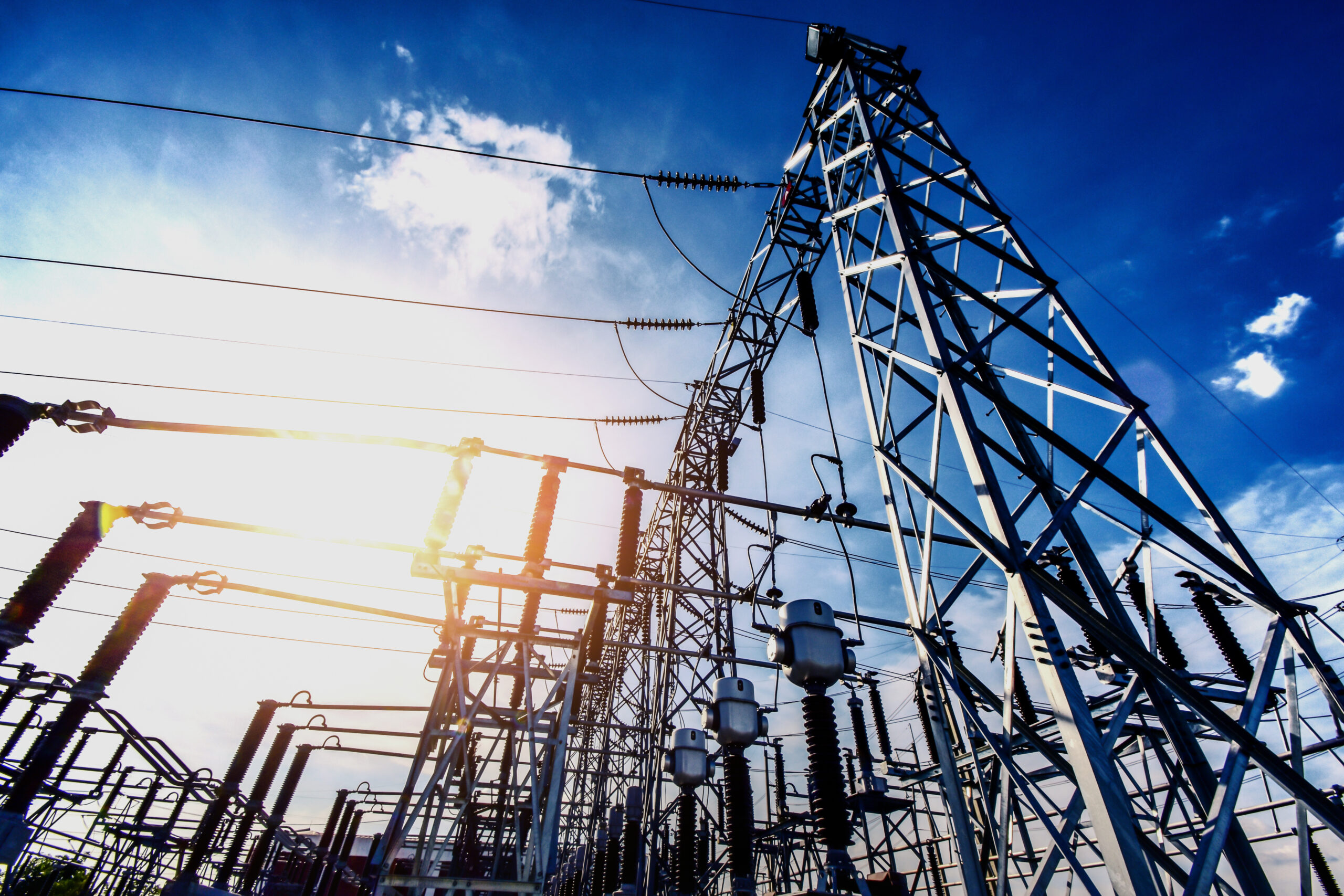
According to Bloomberg New Energy Finance (BNEF), the world will require an additional 152 million kilometers of power lines to reach net zero emissions by 2050. This is double the length of today’s power grid – an amount that could stretch up to the sun! Consequently, this clarifies the significance of investing in the grid if we reach net zero. With it, achieving net zero emissions is feasible.
The Sunrise Wind Project, located off the coast of New York, is the first of its kind in the US to employ Siemens Energy’s HVDC technology. Through this initiative, renewable energy will be supplied to a total of 600,000 households.
As the world seeks to power its progress, a new era is emerging where innovative grid technologies are paving the way towards a sustainable future for global energy use
Globally, an environmentally friendly and dependable energy shift is stimulating a requirement for advanced energy storage and grid technologies: for instance, the EU plans to increase its interconnector capacity by 128 gigawatts by 2040, and China’s high-voltage grid capacity will be doubled by 2050, and more than a third of grid assets in the US will be substituted by 2040.
High-Voltage Direct Current (HVDC) is a crucial technology for the progress of a strong transmission grid. Compared to AC transmission lines, it is advantageous because it permits energy transmission with low losses over long distances. This technology has been utilised in various international projects, with the Sunrise Wind project off the New York coast being the first offshore wind project in the U.S. that uses Siemens Energy HVDC technology for the transmission of wind power.
Interconnectors are a key technology that can help facilitate a sustainable energy transition by allowing energy resources to be shared across borders. For example, the NeuConnect project will link two of Europe’s biggest energy markets, Germany and the UK, by means of a high-voltage line beneath the North Sea. This connection will supply power to 1.5 million homes in both countries.
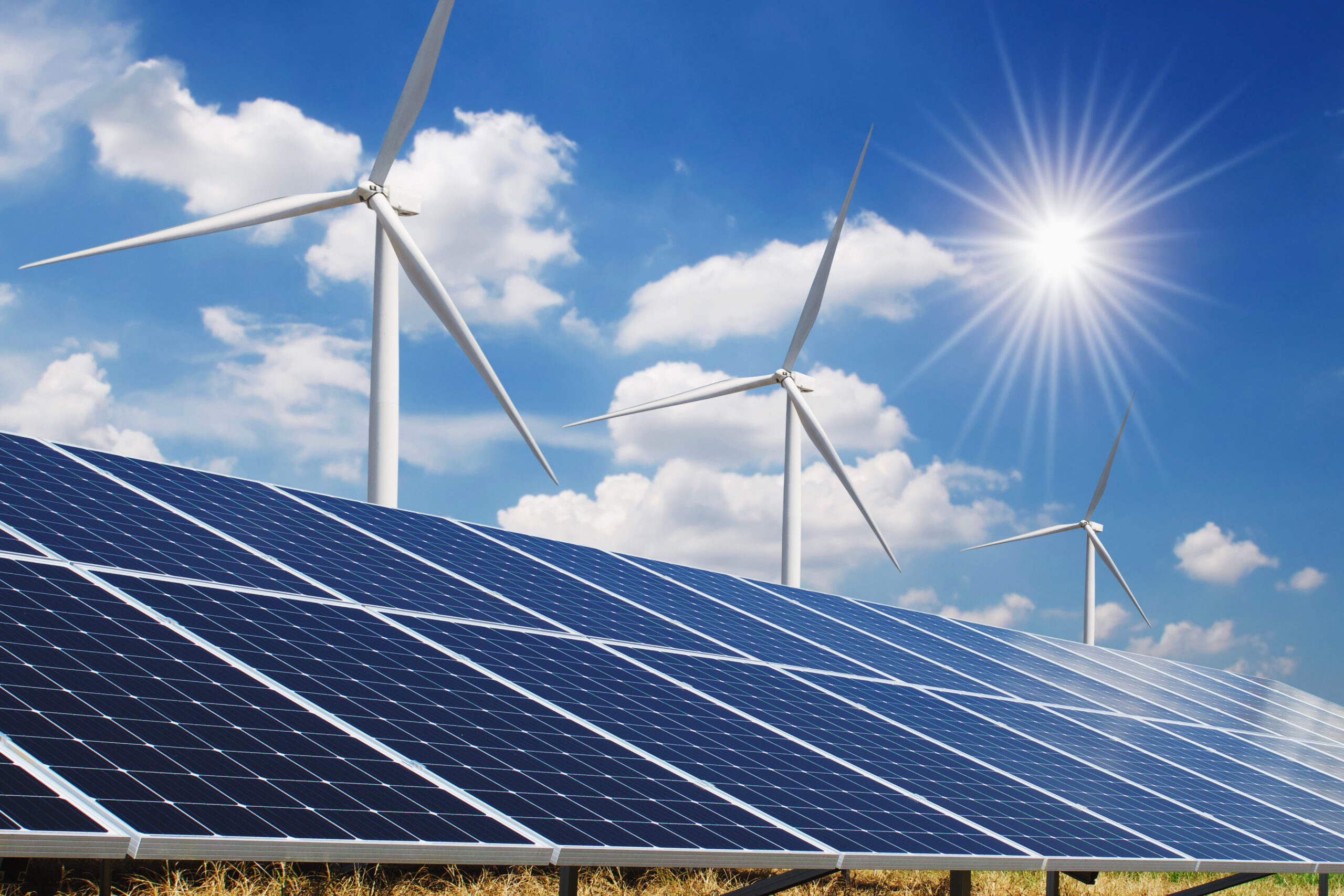
In order to keep up with the shift to a more decentralised energy grid, such as renewables, extra technology is necessary to balance the load and regulate power frequency – for instance, synchronous condensers. Australia has been an early adopter of this technology: the South Australian grid operator, ElectraNet, has more than 50% renewable energy in its transmission grid. However, this challenges grid stability greatly since the sun only shines sometimes, and the wind isn’t blowing constantly. So ElectraNet has installed two synchronous condensers with flywheels in the Robertstown substation to avoid a blackout. This enables them to bridge sudden drops in frequency swiftly.
Certain hindrances must be dealt with to make progress in the shift towards renewable energy. Primarily, the process must be sped up, and the complexities of the planning and authorisation processes must be reduced.
The International Energy Agency (IEA) has estimated that the span of time to authorise and construct an overhead transmission line is around 10 years, and for a subsea cable, approximately nine years in both the U.S. and Europe. Furthermore, the Federation of German Industries (BDI) has recently conducted a study and cautioned that the need for approvals for new renewable energy projects could increase by a factor of two in the near future of eight years.
Consequently, a streamlined and expedited process must be established for both the modernisation of current power system networks and the construction of new ones in order to reduce limitations and fortify the infrastructure.